
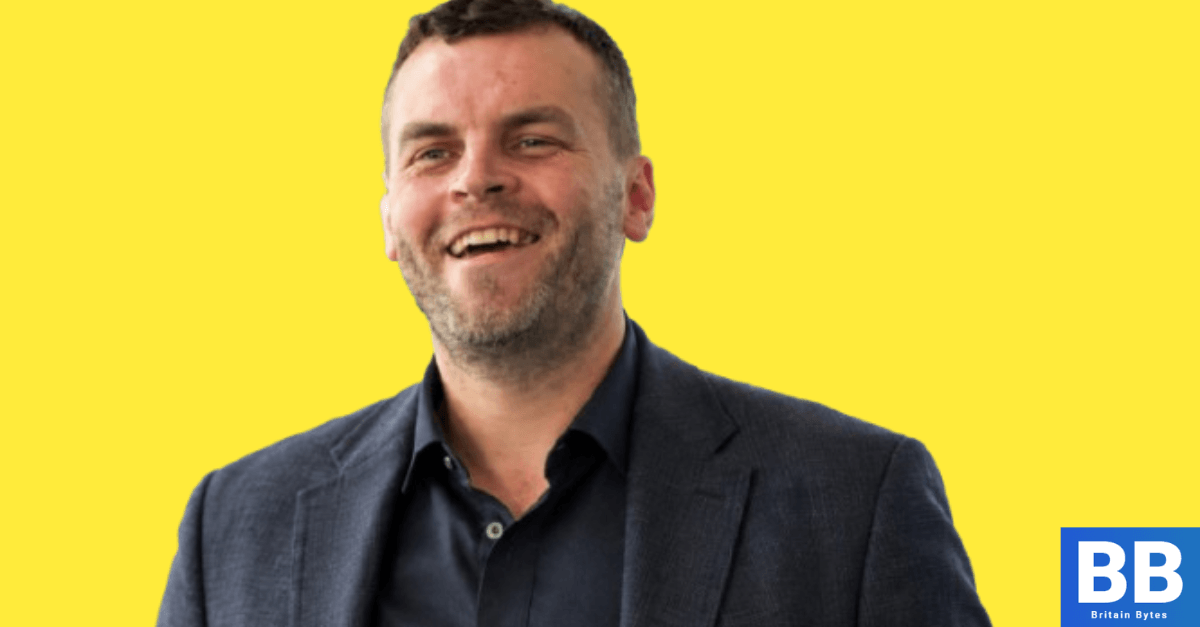
Tim Montgomerie has spent more than two decades in British political life, and with that kind of visibility comes a strange side effect: strangers start speculating about your health. Search “Tim Montgomerie illness” and you’ll find pages of results, most of them vague, some of them repeating each other almost word for word, and very few of them citing anything he’s actually said. This piece tries to do something different — separate what’s genuinely on the record from what has simply been passed around online until it started to sound true.
| Field | Detail |
|---|---|
| Full name | Timothy Montgomerie |
| Born | 24 July 1970, Barnstaple, Devon |
| Education | University of Exeter |
| Known for | Founder of ConservativeHome; co-founder, Centre for Social Justice |
| Career | Comment editor, The Times; political commentator; Reform UK (2024–2026) |
| Confirmed health disclosure | Stress, depression, and exhaustion during the COVID-19 lockdown |
Who Is Tim Montgomerie?
Before getting into the health question, it helps to understand why people are asking it at all. Montgomerie built ConservativeHome into one of the most widely read political websites in the UK, giving grassroots Conservative opinion a platform it hadn’t really had before. He co-founded the Centre for Social Justice alongside Iain Duncan Smith, a think tank focused on tackling poverty, and later moved into a senior editorial role at The Times as comment editor. In more recent years he’s been associated with Reform UK. That’s a long career spent largely in front of cameras and behind a byline — long enough that any change in his appearance, tone, or energy during an interview tends to get noticed, discussed, and eventually turned into a search term of its own.
It’s worth remembering, too, that this pattern isn’t unique to him. Any public figure who stays visible for decades ends up facing this kind of scrutiny sooner or later. The difference is simply that some choose to address it directly, and others — like Montgomerie, for the most part — don’t, which leaves a vacuum that online speculation tends to fill.
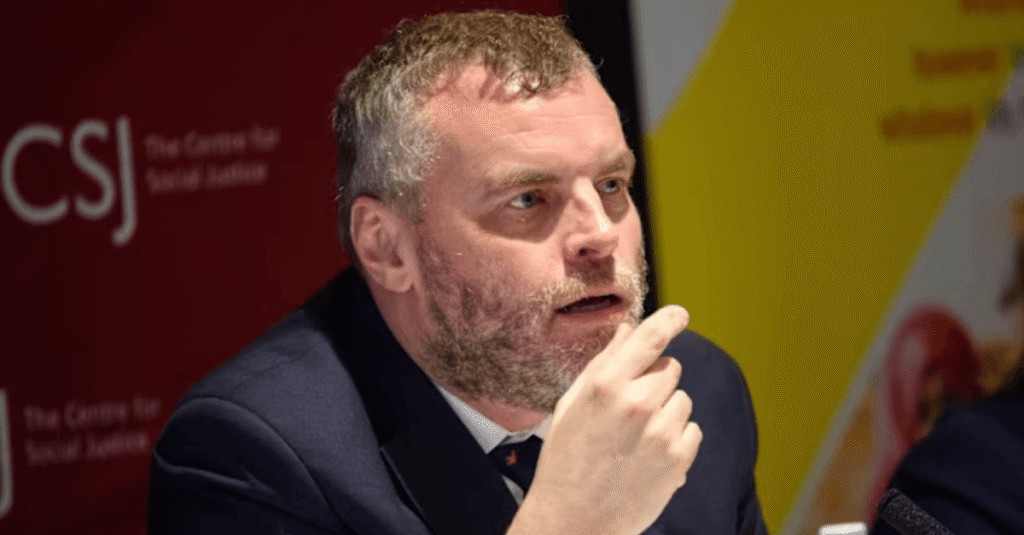
Where the Rumors Actually Come From
Most health speculation about public figures follows a fairly predictable pattern. Someone watches a clip, notices something — a slower pace of speech, visible tiredness, a change in appearance from a few years earlier — and posts about it. Others see the post, repeat it without checking anything further, and within a few sharing cycles the observation has been reframed as an established fact rather than what it actually was: a passing impression drawn from a few seconds of video.
That’s largely what’s happened with Montgomerie. There’s no single triggering event behind the “Tim Montgomerie illness” search trend — no leaked medical record, no dramatic on-air moment, no statement from a spokesperson. It’s simply an accumulation of casual observations, repeated often enough that people now assume there must be something concrete underneath them. There usually isn’t. Public appearances vary for all kinds of mundane reasons: a late night, a stressful week, lighting, camera angle, or just having an off day like anyone else. None of that constitutes evidence of a medical condition, however tempting it is to read it that way.
What Montgomerie Has Actually Said
This is the part of the story that has real substance behind it. During and after the COVID-19 lockdowns, Montgomerie spoke publicly about struggling with stress, exhaustion, and depression — a period that was genuinely difficult for a huge number of people, not just him. UK-wide data from that time backs up how widespread this was: national surveys conducted during 2020 and 2021 recorded a sharp rise in reported anxiety and depressive symptoms across the population, with roughly one in four adults reporting some form of distress during the worst stretches of the pandemic.
Montgomerie’s willingness to discuss this openly, rather than keep it entirely private, is notable in itself. Public figures — particularly those in political commentary, where a certain toughness is often expected — don’t always talk about this kind of thing. When they do, it tends to resonate, because it puts a recognizable name and face to an experience millions of people went through quietly. That disclosure is the one part of “Tim Montgomerie illness” that isn’t speculation. It’s simply what he said, in his own words, about a specific and difficult period.
What Hasn’t Been Confirmed
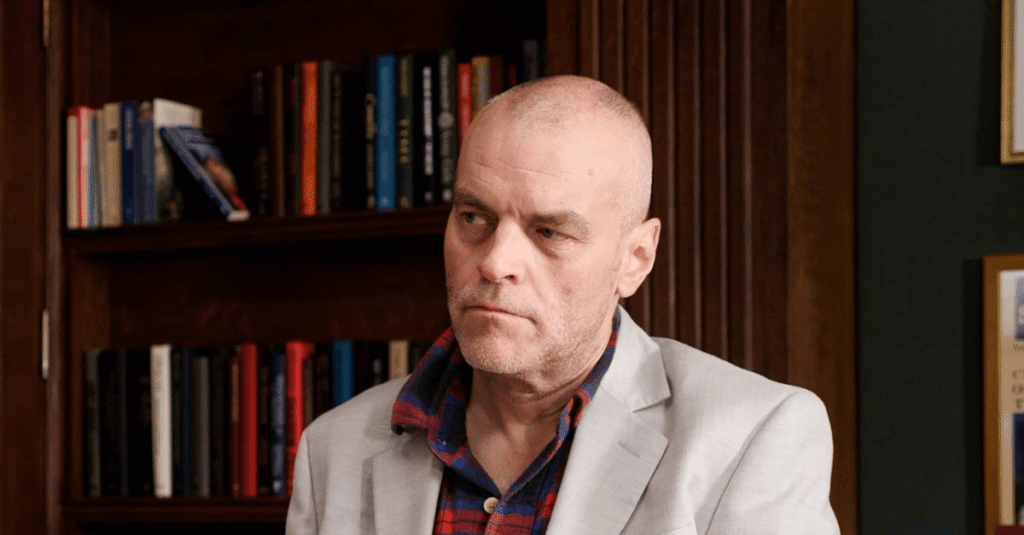
Beyond that, there isn’t much of substance. Online threads and low-quality health-rumor articles have floated a wide range of possibilities over the years — Parkinson’s disease, a stroke, cerebral palsy — but none of it traces back to a statement from Montgomerie himself, from a representative, or from any credible news outlet. No diagnosis has been announced. No hospitalization or serious medical event has been reported anywhere reliable. What exists instead is a pattern common to many of these searches: a handful of speculative blog posts, all citing each other rather than any original source, creating an illusion of consensus where none actually exists.
Guessing at a specific medical condition from a video clip isn’t a diagnosis — it’s just a guess, and repeating a guess often enough doesn’t make it any more accurate. Conditions like Parkinson’s have recognizable visible symptoms, which is often exactly why they get mentioned in this kind of speculation. But recognizing a symptom pattern from a distance, without any clinical context, isn’t remotely the same thing as knowing what’s actually going on with someone’s health.
Why This Distinction Actually Matters
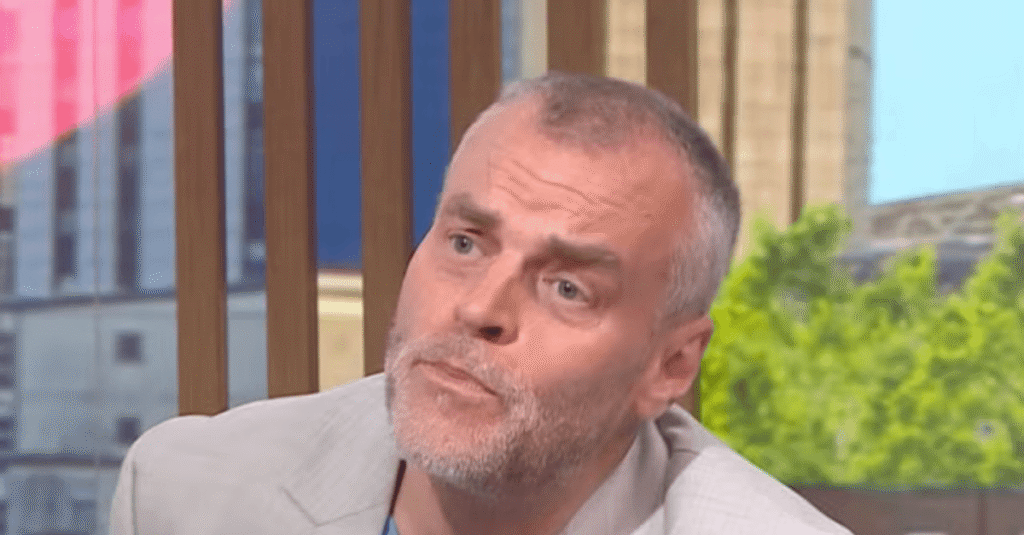
It’s worth pausing on why “no confirmed illness” is a complete answer rather than an unsatisfying non-answer. Health information is personal, full stop. Being a public figure means accepting scrutiny over your work, your public statements, and your record — it doesn’t mean surrendering your medical history to public speculation. The responsible position here is the less exciting one: report what’s actually been said, and resist the temptation to fill in the rest just because curiosity demands an answer.
There’s also a broader point worth making. Treating unverified rumors as near-facts — through phrasing like “could indicate” or “many believe” — does a disservice to both the person being discussed and the reader looking for a straight answer. It’s entirely possible to write about public curiosity honestly without pretending that curiosity itself is evidence of anything.
Where Things Stand Today
Montgomerie remains active in political commentary and public life. There’s no indication of an ongoing health crisis, and no new statement has walked back or added meaningfully to what he said about his experience during the pandemic years. If that changes, it will be because he chooses to say something himself — not because a headline claims to have uncovered something new.
The Bottom Line
The confirmed story here is a mental health one, tied to a specific and widely shared period of stress during the COVID-19 lockdown. Everything beyond that — strokes, neurological conditions, chronic physical illness — remains online speculation, not reporting. The honest answer to “what illness does Tim Montgomerie have” is that, as far as anything on the public record shows, there isn’t one confirmed. What’s confirmed is that he went through a hard stretch mentally, said so publicly, and has continued his public career since.
